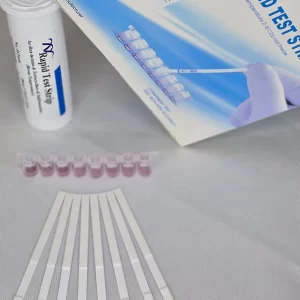
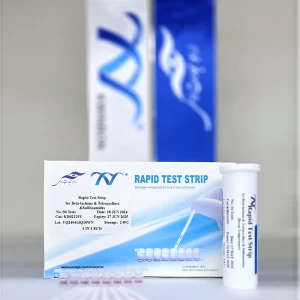
Rapid Test kits are tools used for quick and easy identification of pathogens, diseases, hormonal changes, detection of toxins, viruses, bacteria, poisons, drug detection and several similar cases.
These kits are widely used in medicine, veterinary medicine, and related industries for various diagnostics.
Features:
1- High speed: Usually provide results in 5 to 30 minutes.
2- Ease of use: Do not require complex laboratory equipment.
3- Portability: Can be used in environments outside the laboratory and even remote areas.
4- Economical: Lower cost than more advanced methods such as HPLC, PCR
Types of rapid detection kits:
1- Antigen-antibody based kits:
These types of kits work by using the reaction between an antigen (e.g. virus or bacteria) and a specific antibody.
Example: Rapid COVID-19 test that detects SARS-CoV-2 virus antigen.
2- Rapid molecular kits:
Use technologies such as rapid PCR or LAMP to detect DNA or RNA of pathogens.
These kits have higher accuracy but are more expensive.
3- Chemical/enzymatic kits:
Used to detect specific substances in samples (such as blood sugar, enzymes or metabolites).
4- Lateral Flow Assay kits:
One of the most common types of kits designed as strips and requiring a sample liquid.
Applications:
Human medicine: Diagnosis of diseases such as malaria, influenza, COVID-19, AIDS, etc.
Veterinary medicine: Diagnosis of animal diseases, contaminations.
Food industry: Identification of contaminations and quality control.
Biological research: Rapid identification of microbial or viral samples.
Limitations:
Less accuracy and sensitivity than accurate laboratory methods.
Possibility of false positive or negative results.
Because of their speed, ease, and cost-effectiveness, these kits are particularly useful in emergency situations or areas where laboratory access is limited.